
Photo Essay: 'Jungle Mahal' by Shashwat Das
/
© Shashwat Das
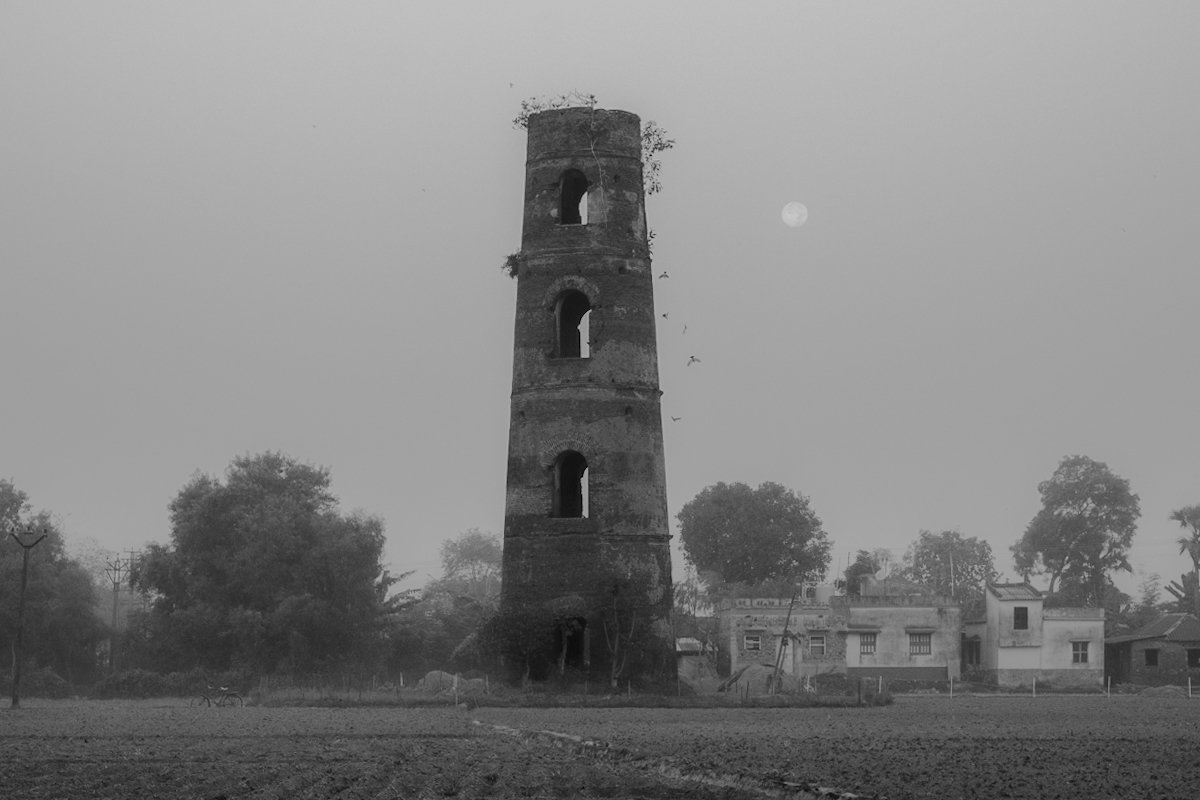
Jungle Mahal looks at the layered histories and landscapes of Purulia, in the hilly forests of West Bengal, through the local belief that Maati–Manush (terrain and body) embeds memory. Once the ground for one of modern India’s earliest resistances to colonial rule, the region continues to hold traces of struggle, ritual, and survival.
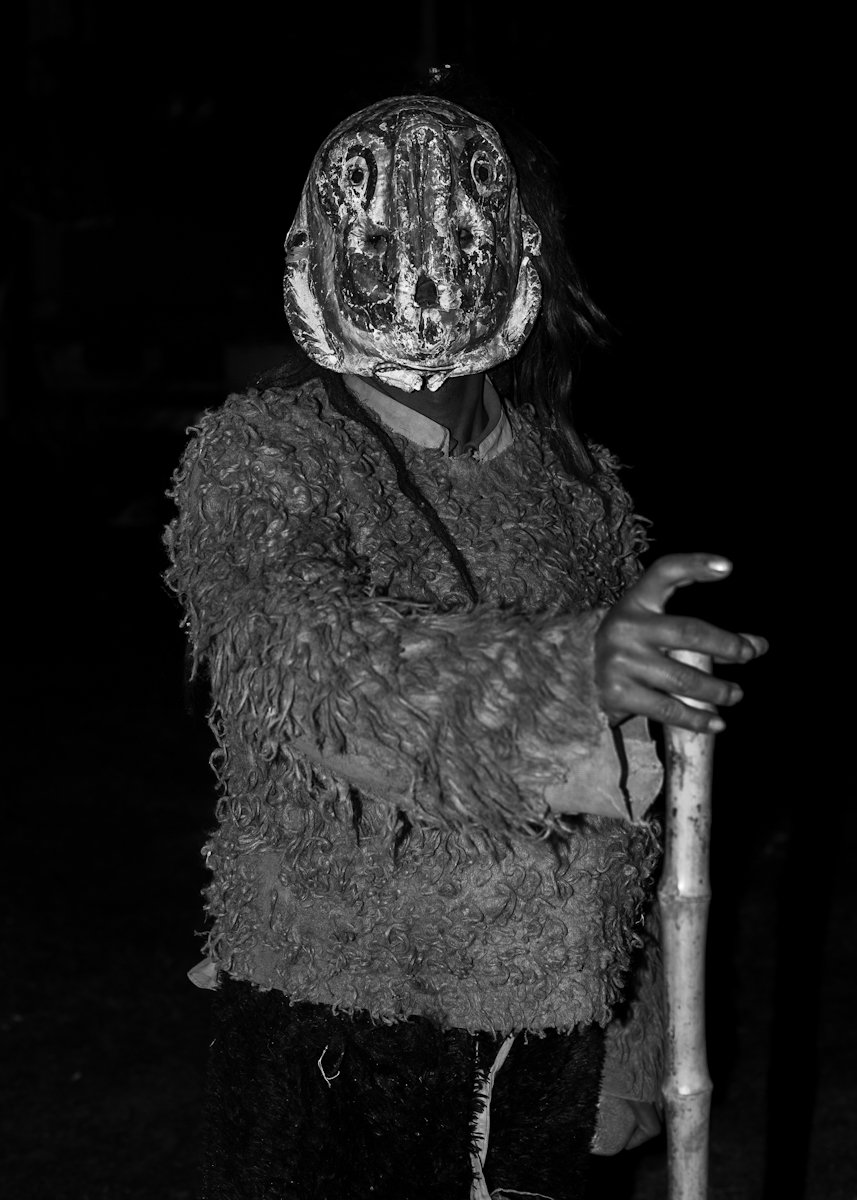
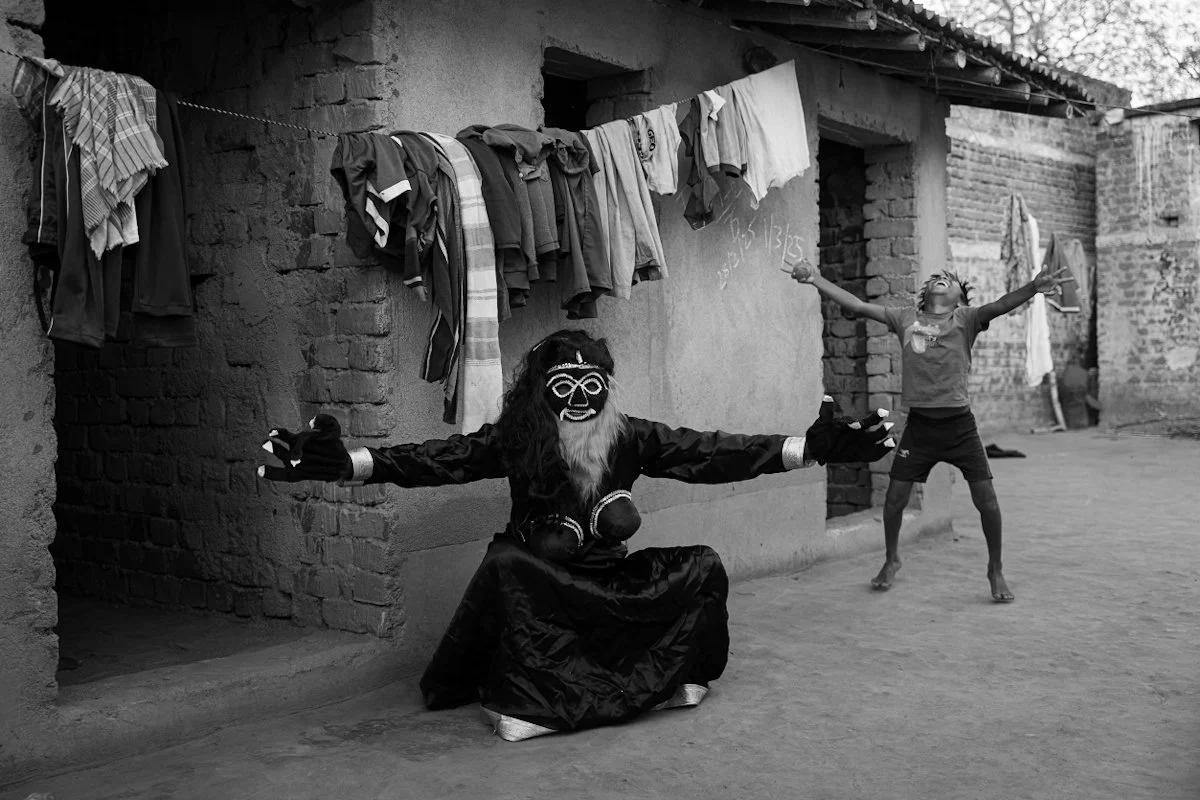
At the heart of this body of work is Chhau, a traditional dance form rooted in martial practice. Derived from the word Chhauni (military camp), Chhau evolved as a movement language practiced by local militias during skirmishes with colonial forces.
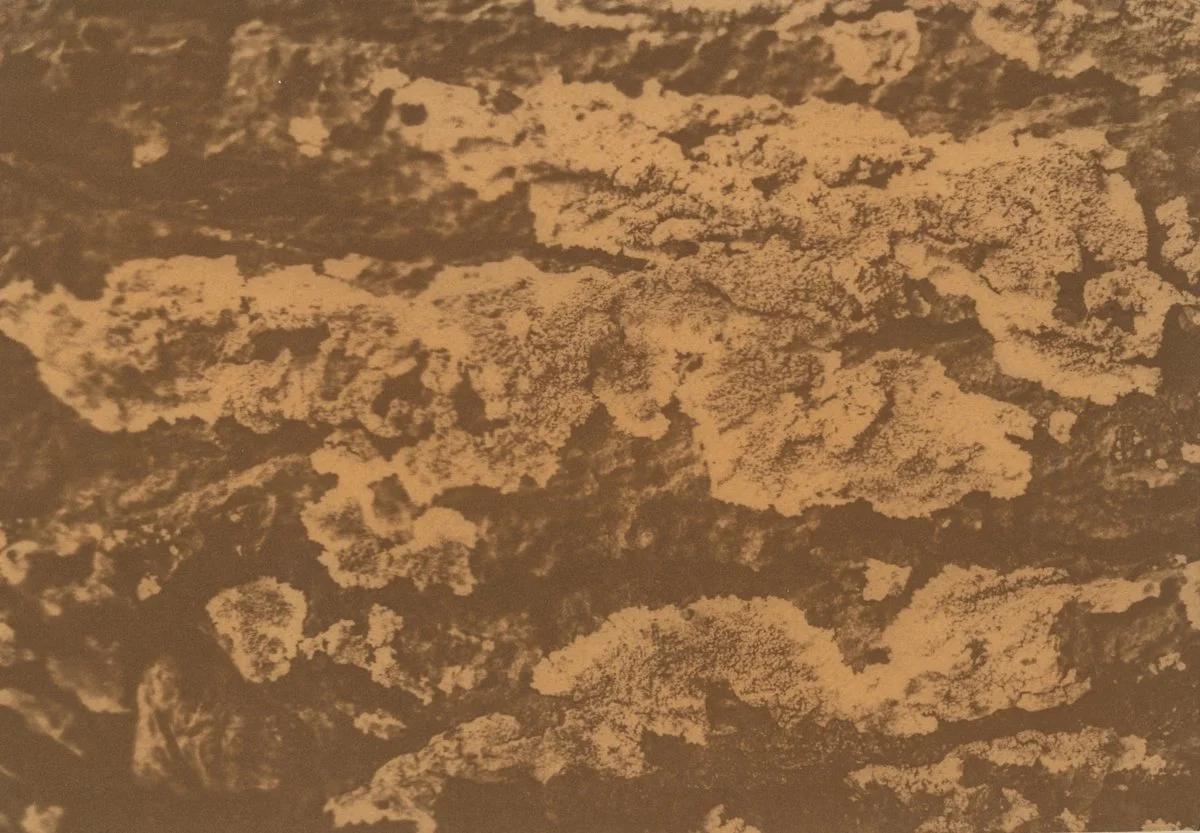
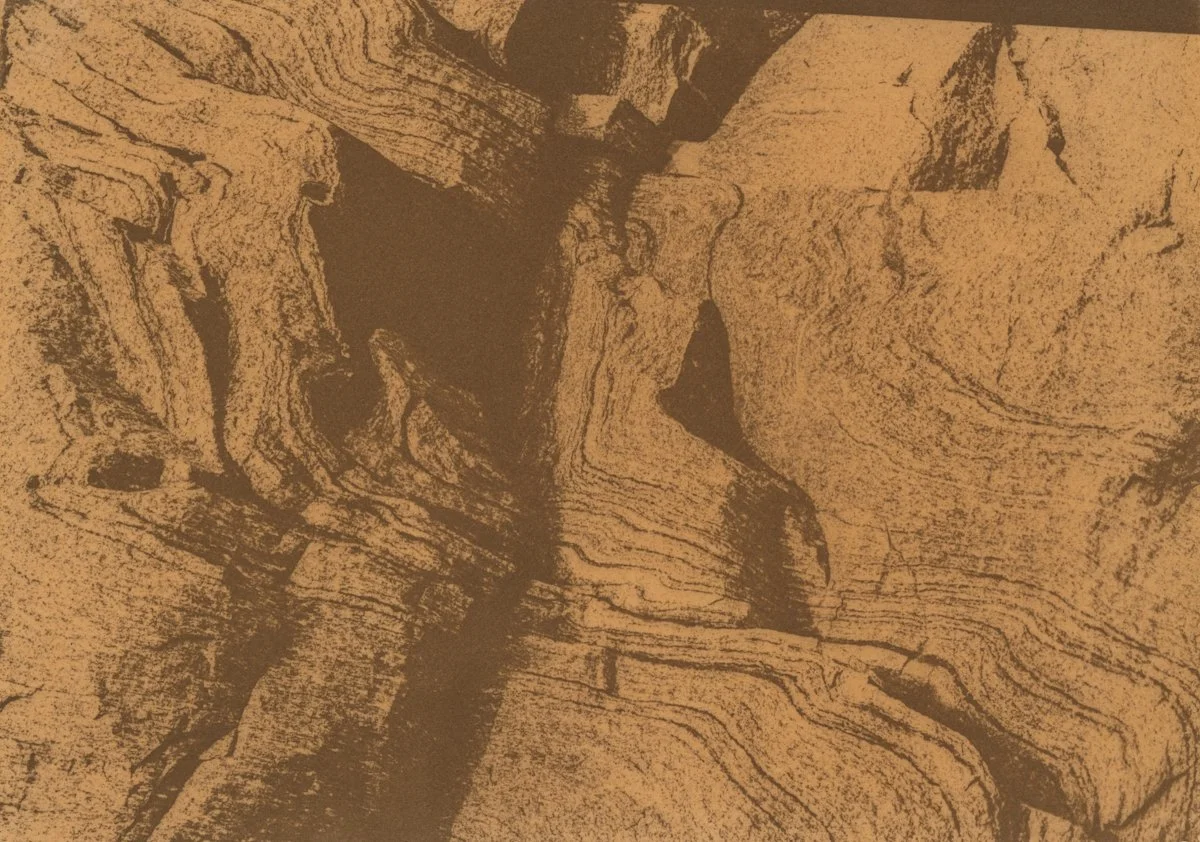
Shashwat takes this one step further by developing an alternative printing method to create Ferro-Botanical prints — a contact printing process that turns materials tied to the land’s degradation into agents of narration. Using Palash flower extracts, a symbol of local pride, alongside iron salts, the images slowly emerge through the process. Follow along through his series of photographs, accompanied by text in the artist's own words.
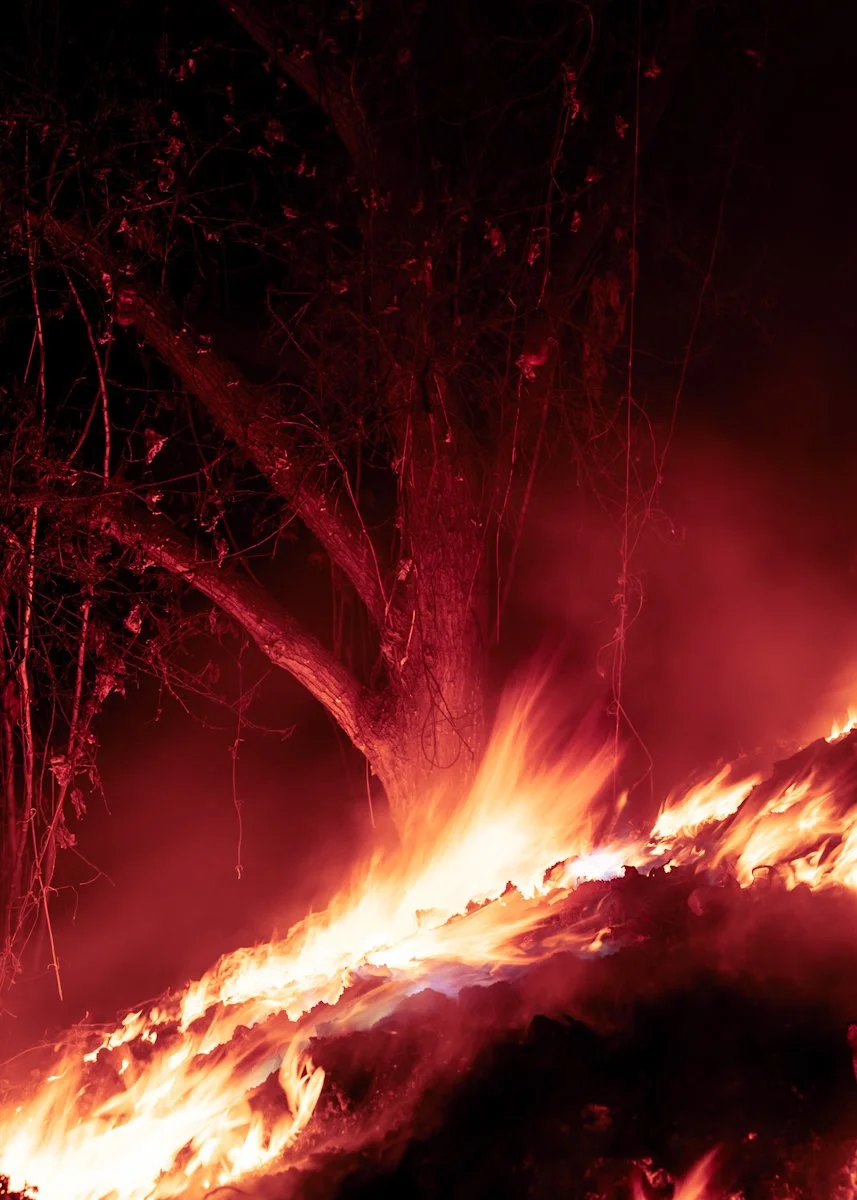
“A name given by the British, Jungle Mahal loosely translates to a ‘palace of forest’. This region of my home state of Bengal, tucked into the far west jungles became home to the earliest resistance against the British in modern India. Steeped in a violent history of extraction, the region has faced repeated destruction pioneered under British colonial rule through mining and timber extraction, and later through large-scale hydroelectric dam projects initiated by the state.”
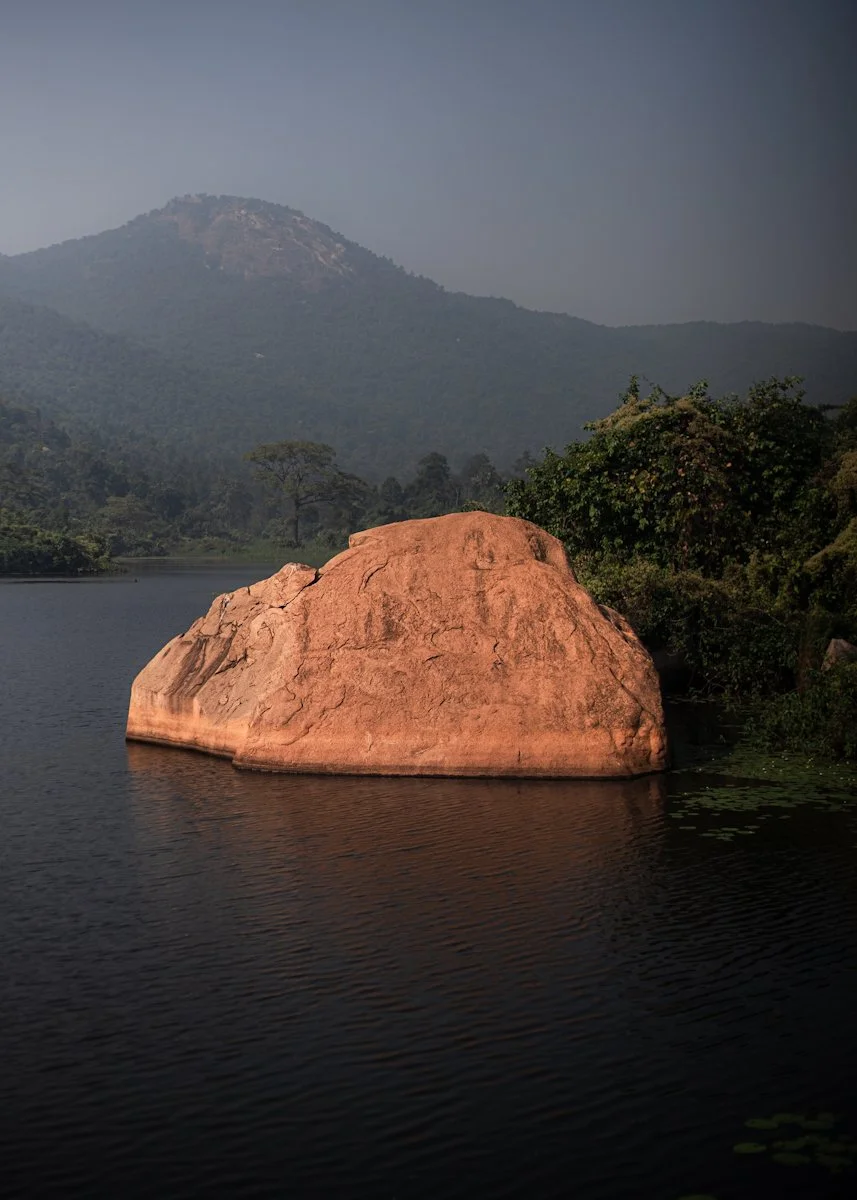
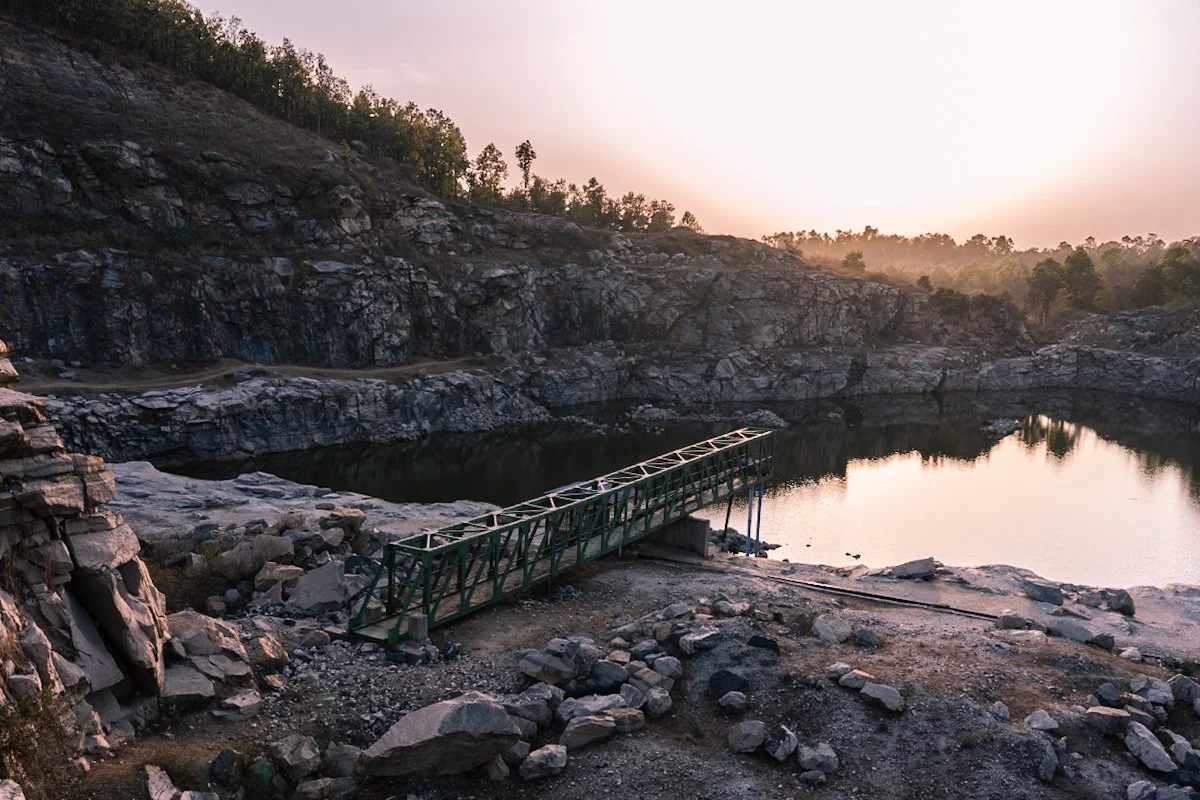
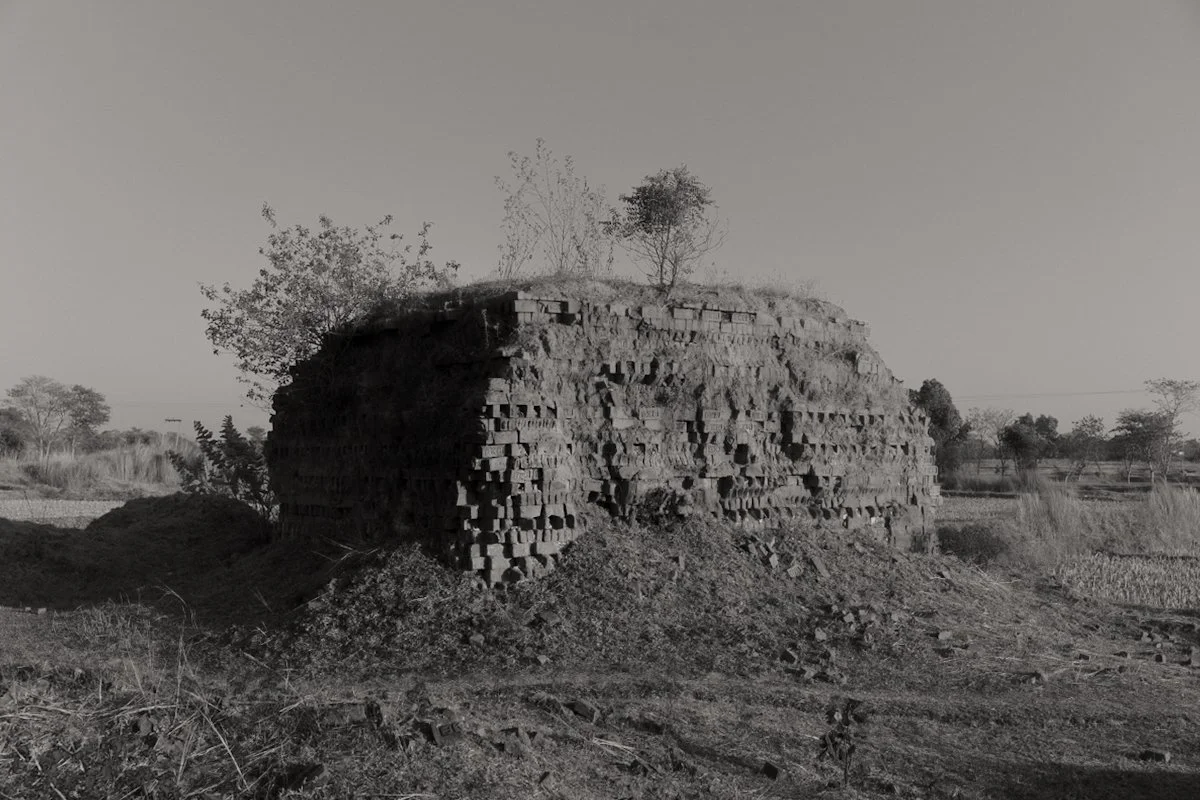
“The first chapter of the project solely concentrated around Ajodhya Hill, once a sight for guerrilla warfare against the British, now houses the highest concentration of pumped storage dams in the region. These interventions have displaced local populations, evoking an ironical sense of colonial hangover in a region that once ignited the country’s first sparks of revolution.”
© Shashwat Das
© Shashwat Das
“Jungle Mahal attempts to create a dialogue between these two distinct perspectives—the historical narrative of the Purulia and the lived, sensory experiences of the region today through the eyes of the artist. The heart of the project is this conversation, definitely understanding the history of my land from an anthropological perspective but it transcends into this deep emotionally charged visuals that are rooted in memory.”
© Shashwat Das
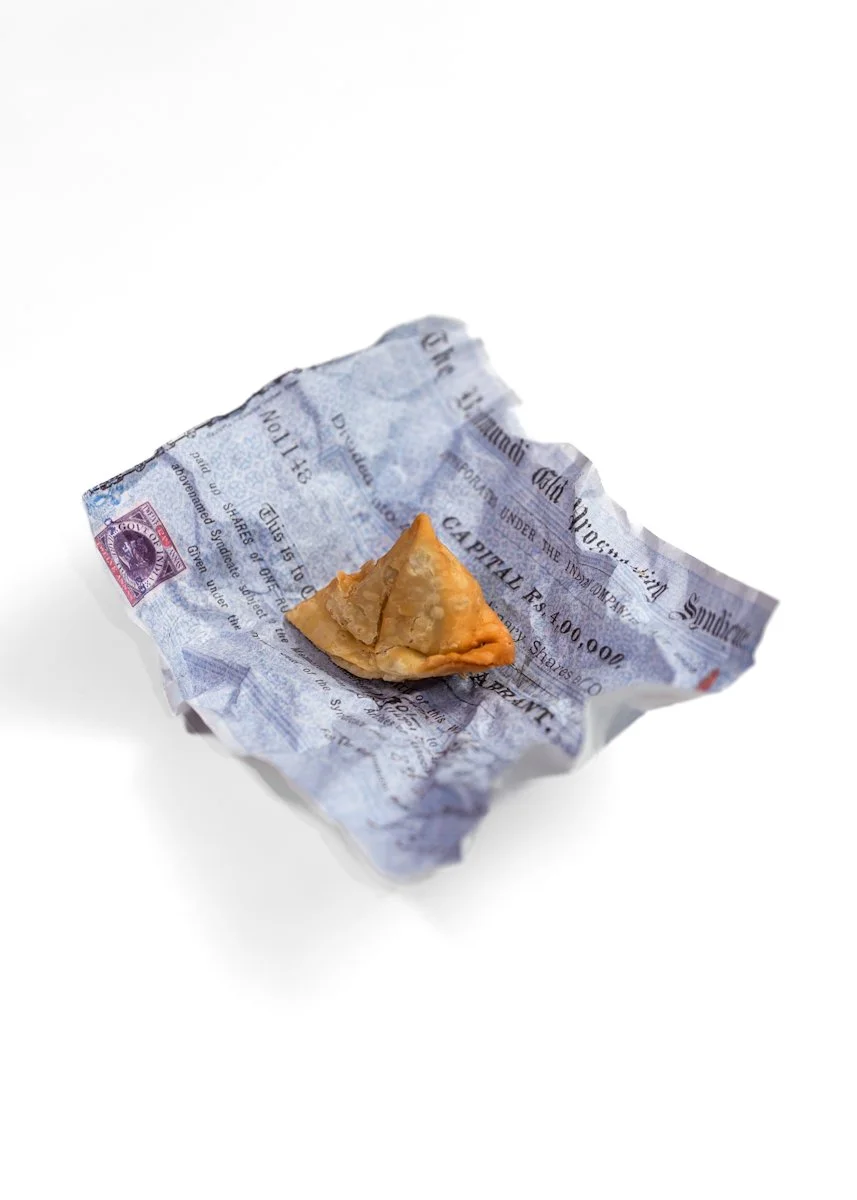
© Shashwat Das
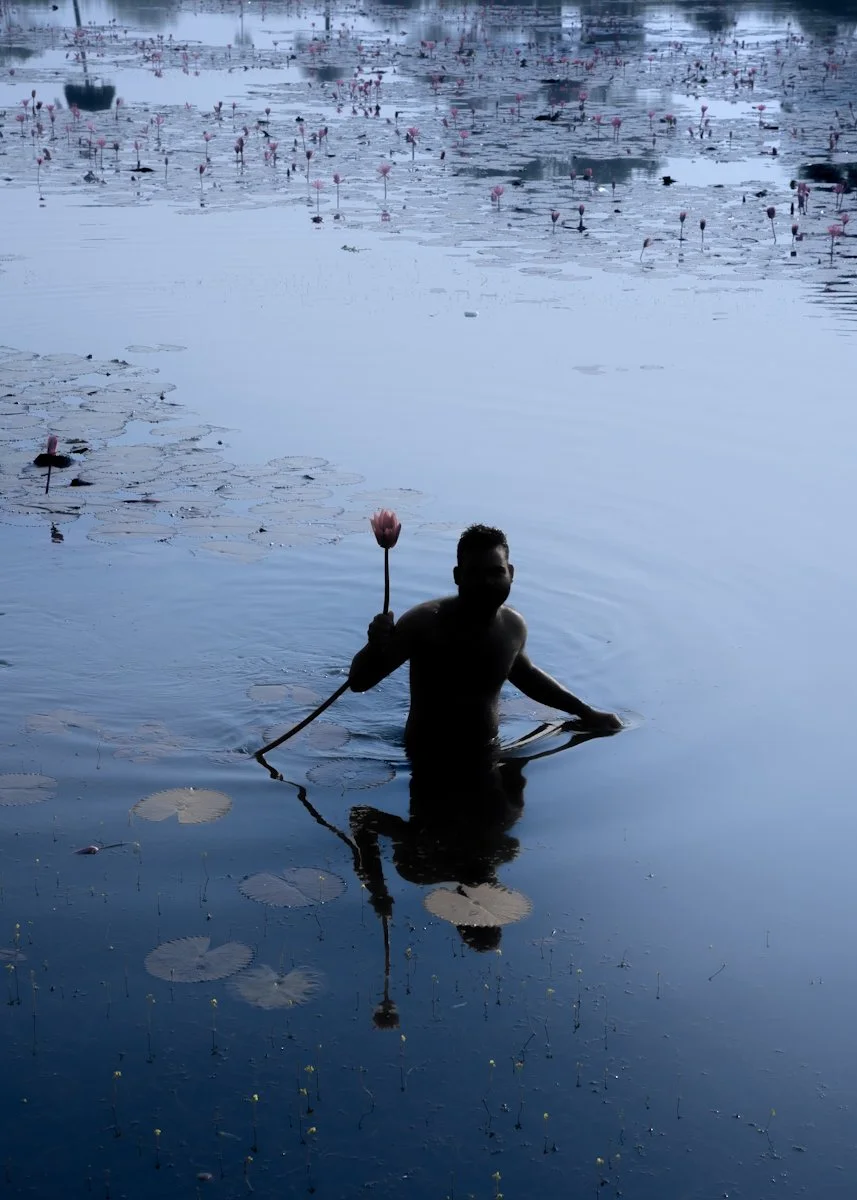
© Shashwat Das
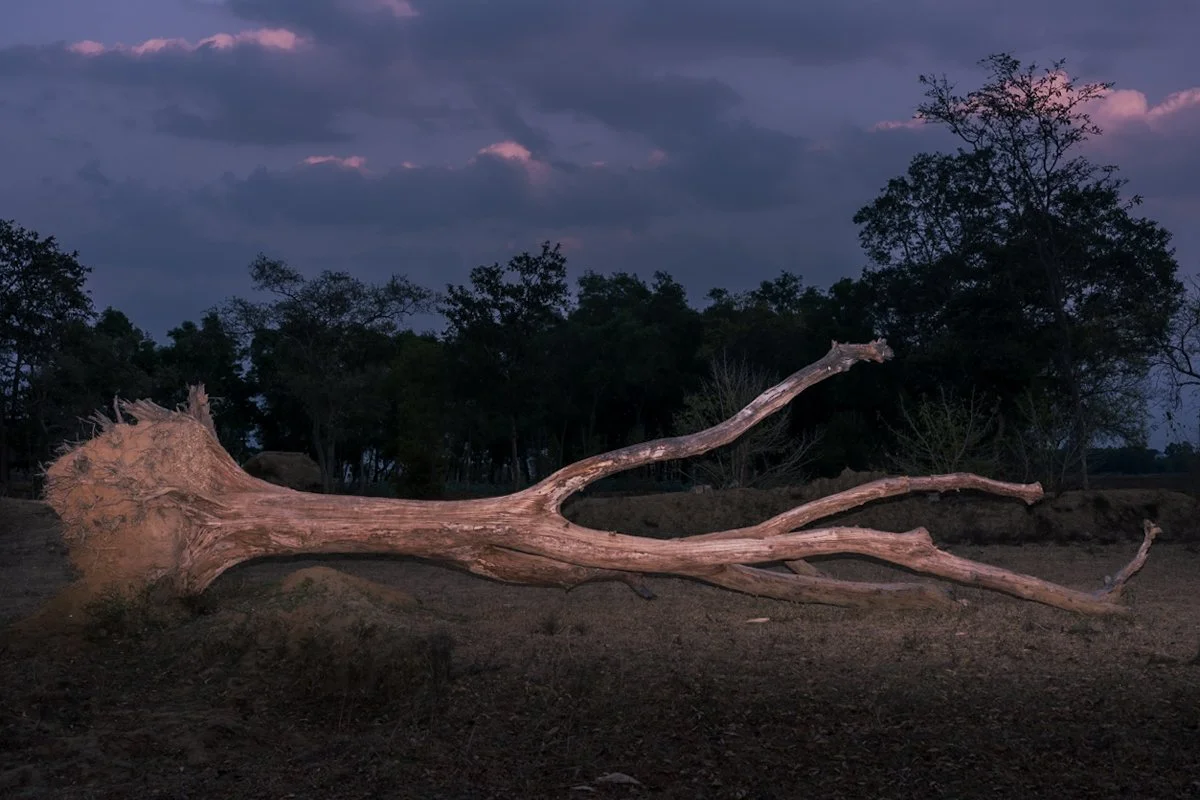
© Shashwat Das
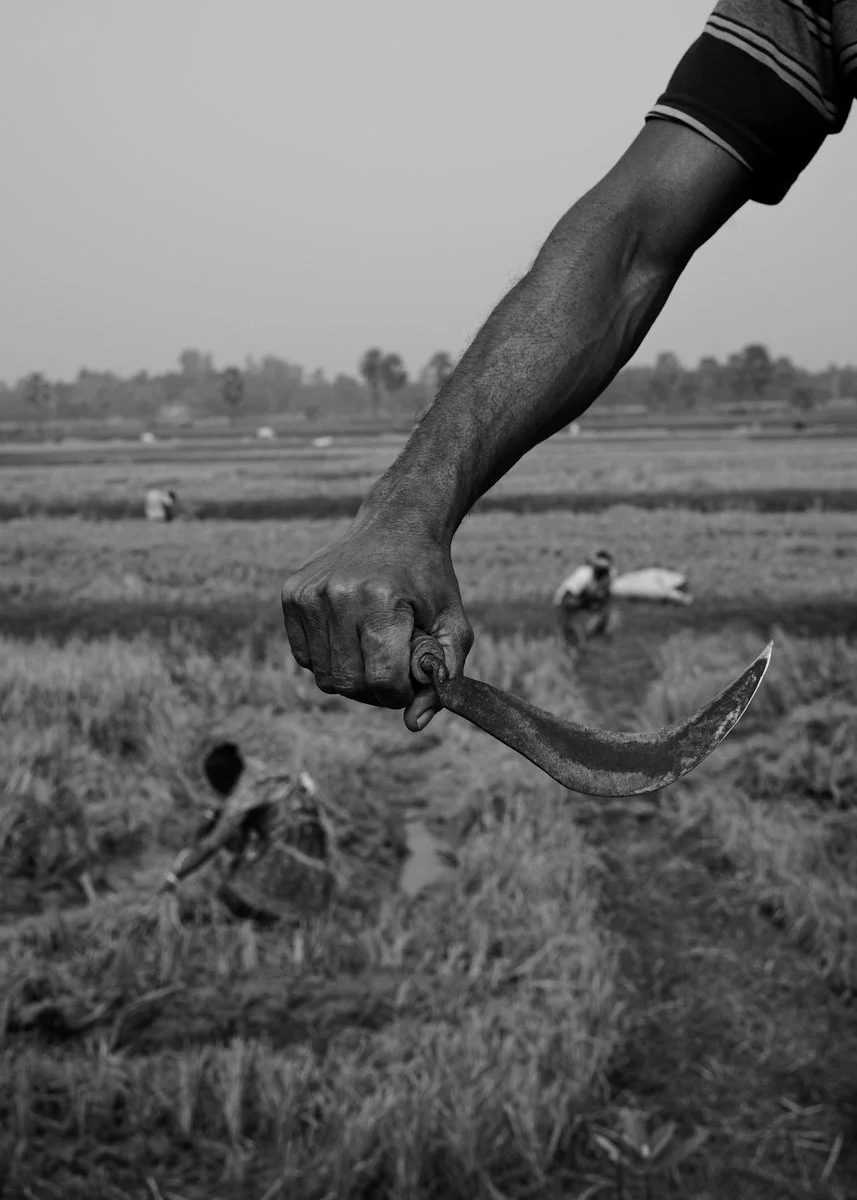
© Shashwat Das
© Shashwat Das
“As a lens-based artist, medium is extremely important to me. Not just what we are producing as images but how they are being represented/realised. The materiality of our work is as important as the interplay of light and shadow. ”
“Working in the region, I developed my own alternative printing method, Ferro-Botanical prints – a contact printing process that transforms the very materials linked to the land’s degradation into agents of narration. The interplay between the Palash flower, a symbol of pride, and iron, a material linked to the region’s destruction, is then revealed in images through its own organic emulsion.”
© Shashwat Das
© Shashwat Das
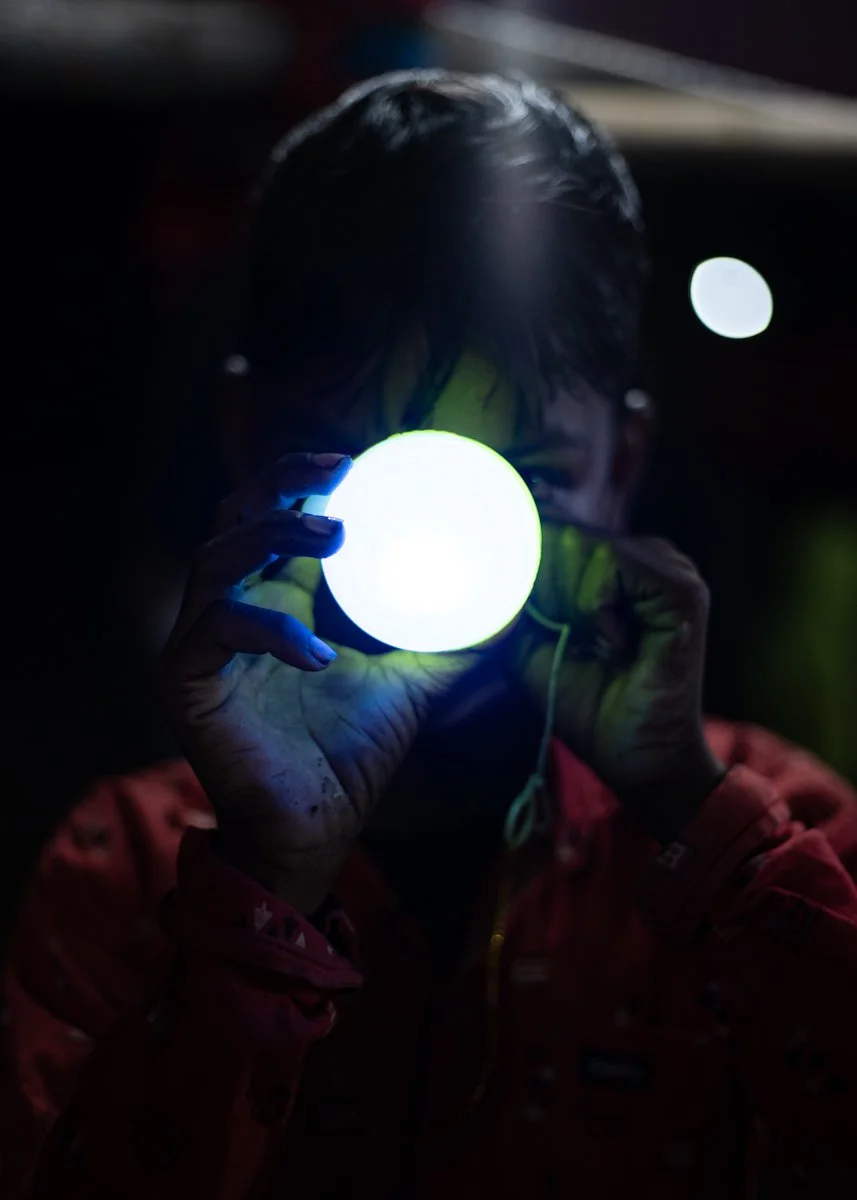
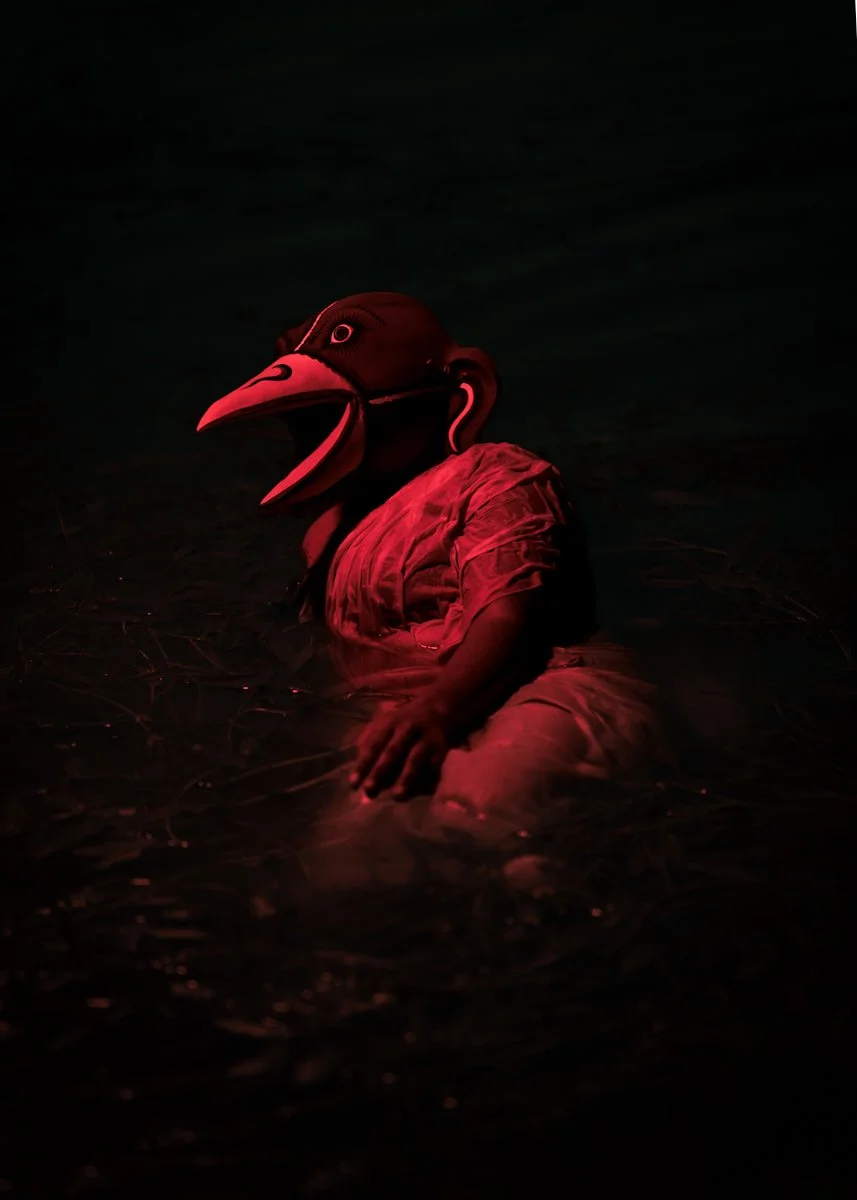
“Rooted in a long legacy of resistance and guerilla warfare, the region holds a deep memory of defiance. The project finds its roots through initial interest in Chhau. This is a martial art based dance form that hails from the region. In contemporary times this dance form has a very performative nature to it which is presented through act of mythological stories.”
“The origin of Chhau comes from the word ‘Chhauni’(military camps) and sources suggest that this martial art dance form founds its roots from the guerrilla warfare local militia conducted against invading British. They would use this dance form to keep troops active between skirmishes. Hence, the project traces living acts of resistance that carry forward stories of survival and identity.”
© Shashwat Das
© Shashwat Das
© Shashwat Das
“Jungle Mahal is an attempt to demystify human development in this region, by exploring how it is continually shaped by a constellation of non-human context that influences every aspect of its existence.”
© Shashwat Das
About the artist
Shashwat Das is a lens-based artist from India whose work navigates movement, memory, and the traces of human-induced decay embedded in landscapes of resistance. His practice lies at the intersection of documentary, fine art, and ethnographic inquiry. He is an alumnus of the Pathshala Resting Academy international residency and has received recognition including the Master Photographer distinction in Russia in 2019 and the Fresh Eyes 2025 award by GUP magazine. His work has been exhibited internationally, with notable showcases at the Summer Academy of Fine Arts in Austria, Drik Gallery in Dhaka, Hungry Eye Fair in Amsterdam, and Zalet Art Festival in Serbia. Currently, Shashwat is developing independent projects while also running Docuberg Media, a non-fiction film production company. Over the past three years, he has been traveling nomadically across India on his motorcycle, Posto.
Follow Shashwat's work @dashashwat_