
Photo Essay: 'Noor' by Aakriti Chandervanshi
/
© Aakriti Chandervanshi
An architectural graduate, Aakriti Chandervanshi is a visual artist whose practice is shaped by a deep engagement with the built environment and its conservation. We met her at the Toto Awards in Bangalore, where she was recognised as one of two winners in the photography category, alongside Dhiraj Rabha, for this body of work titled Noor.
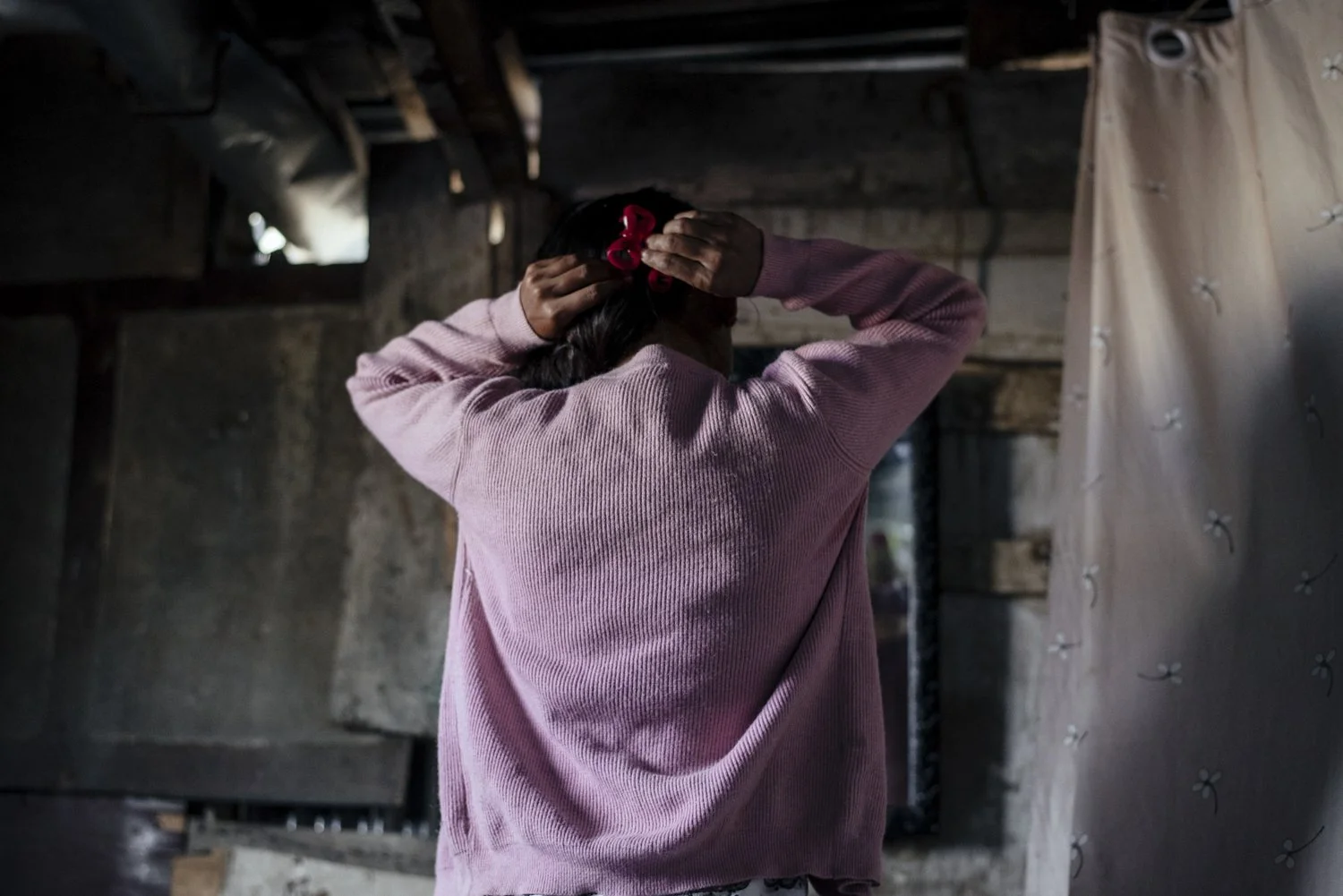
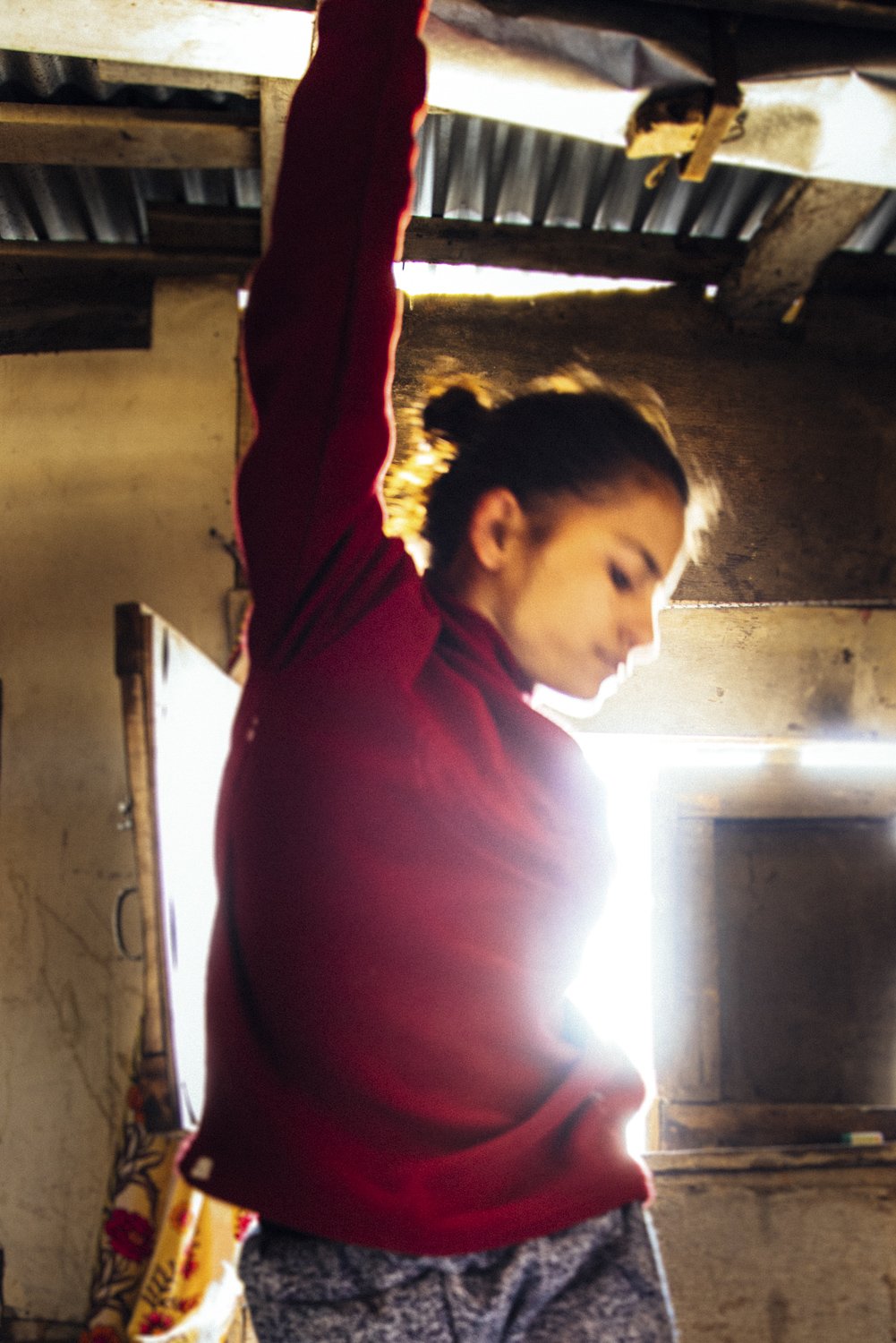
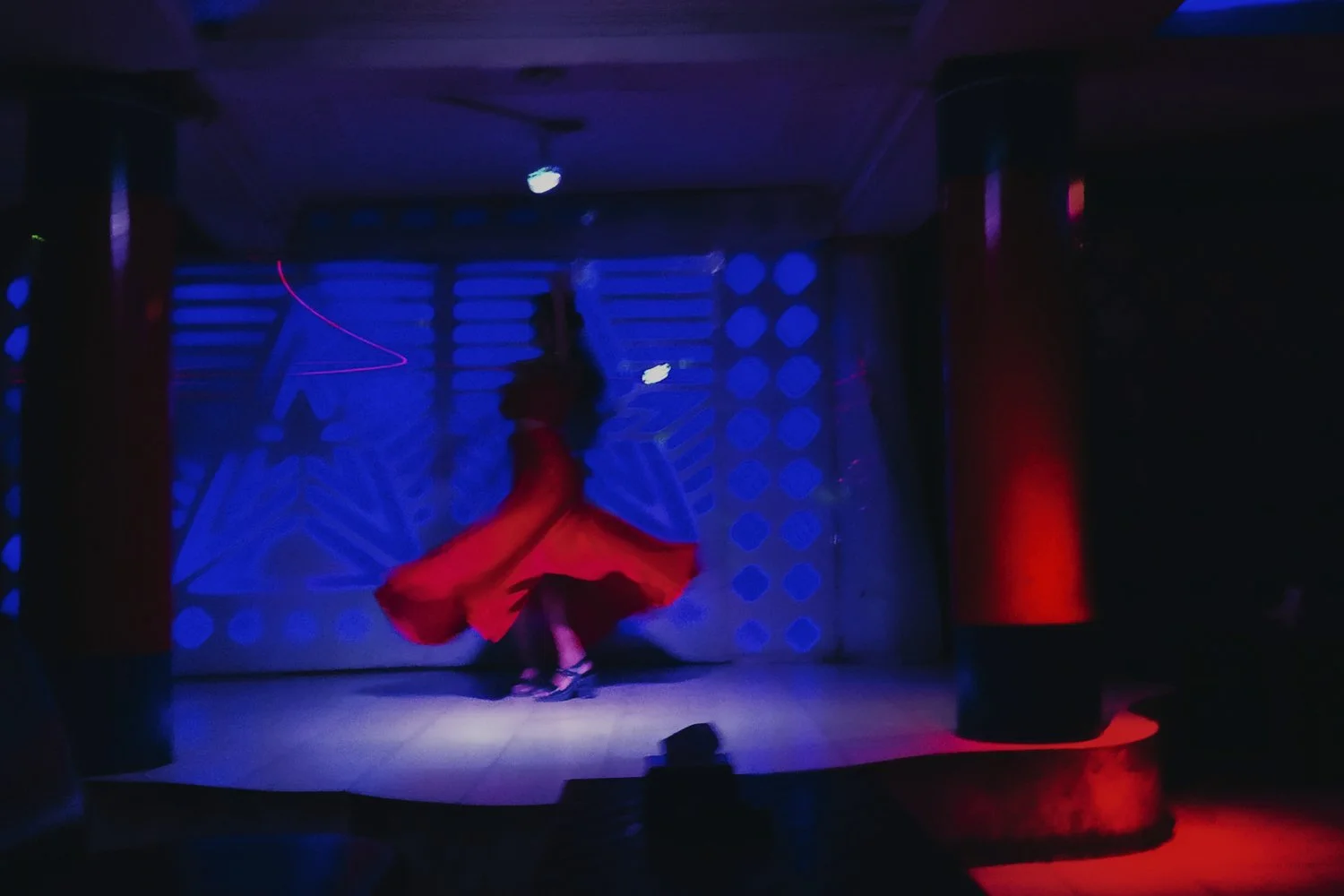
Noor traces an intimate journey through Kathmandu, following a young runaway as she attempts to find her place in the city. After meeting her at a dance bar in Thamel, the city’s main nightlife zone, Aakriti asks why she works there at her age. Noor simply says she loves dancing—“and what’s better than being able to dance.” Intrigued, Aakriti begins to follow her over the course of a week. The photographs unfold through a delicate yet attentive gaze, offering fleeting moments of intimacy between Noor and her surroundings.
“The first time I visited a dance bar, it was more out of curiosity than choice. My friend wanted to explore one, and although I was hesitant, I eventually gave in. I remember trying to strike up conversations with the women there, but most were understandably guarded. It wasn’t until my second visit that things began to shift.”
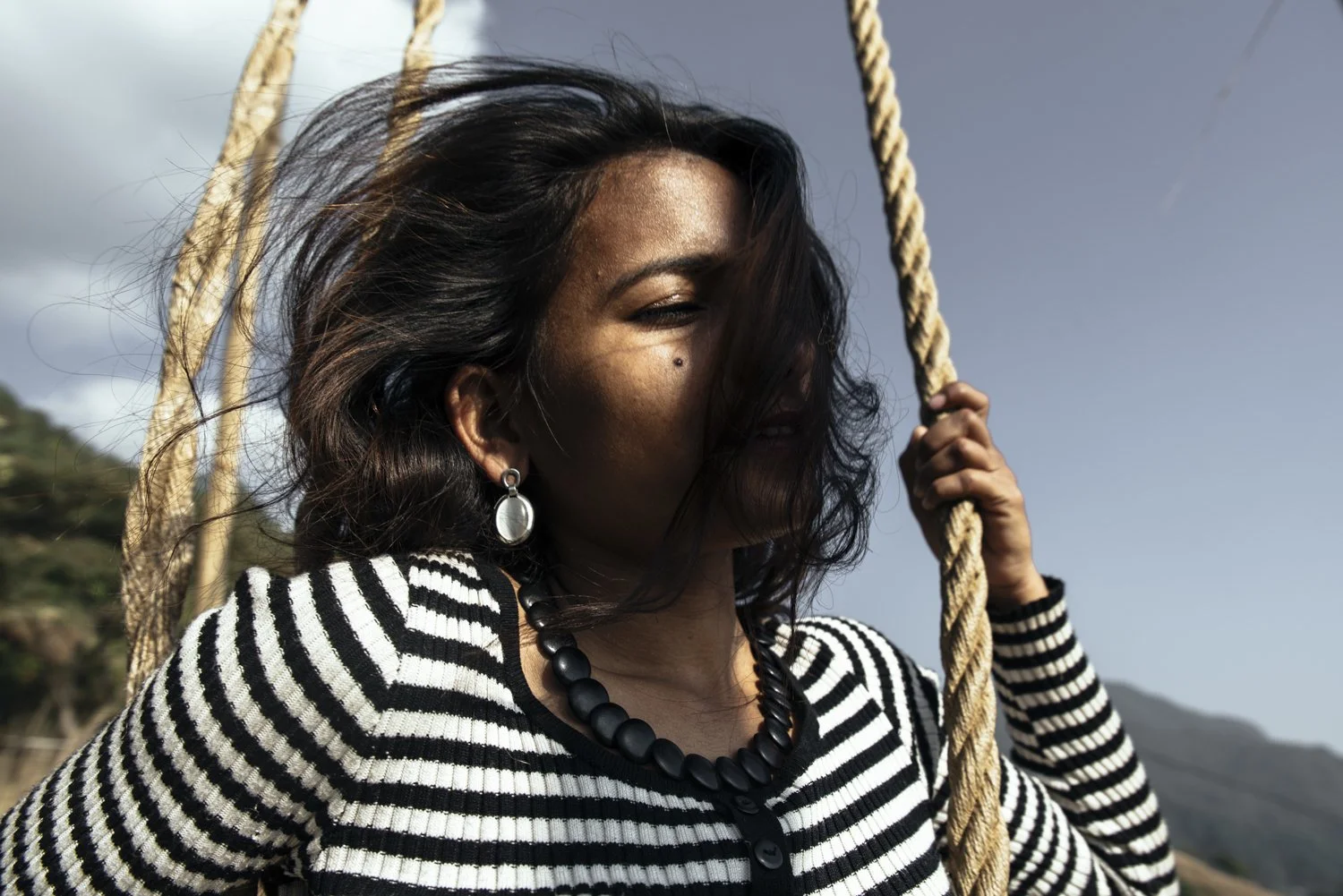
“Shruti (Noor) had heard I’d been asking questions. When she approached me and asked why, I told her I was interested in doing a photo essay based on the everyday life of a woman working at the establishment. She didn’t fully grasp what that meant, but at just 17, she was excited by the idea of being in front of the camera and becoming the protagonist of her own story. ”
© Aakriti Chandervanshi
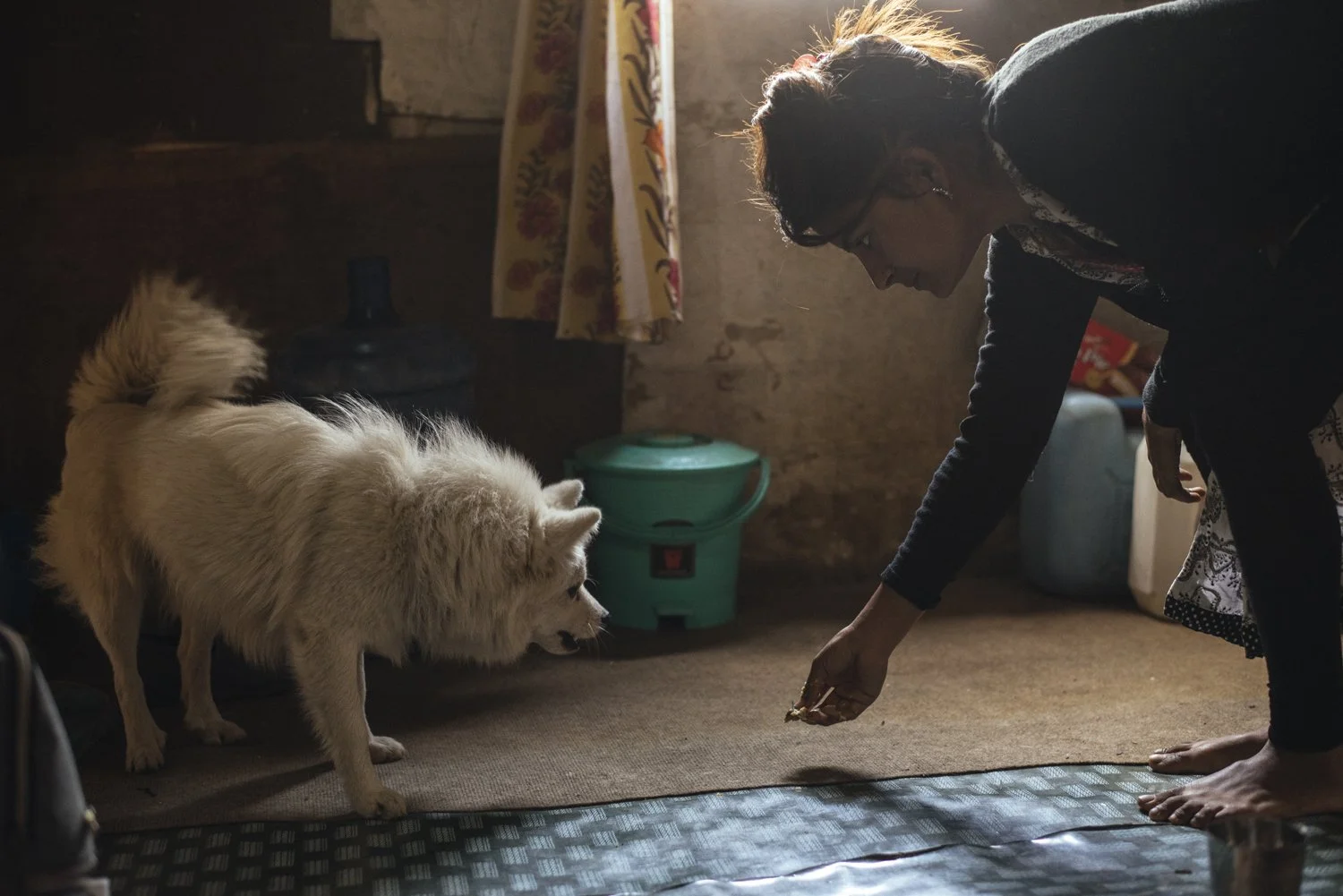
“The original intent was simply to document Shruti’s daily life, but as we spent more time together – sharing stories of life, love, and the loneliness we both felt – a deeper connection began to form. Despite coming from different countries and cultures, our experiences as young women at that time felt unexpectedly parallel. I was living in a new country, surrounded by male classmates and professors, with no close female friends nearby. Shruti, on the other hand, was navigating life among older women at the dance bar—women who were kind but often distant, wrapped up in their own lives and not particularly invested in a 17-year-old’s world. It felt serendipitous to find each other.”
© Aakriti Chandervanshi
© Aakriti Chandervanshi
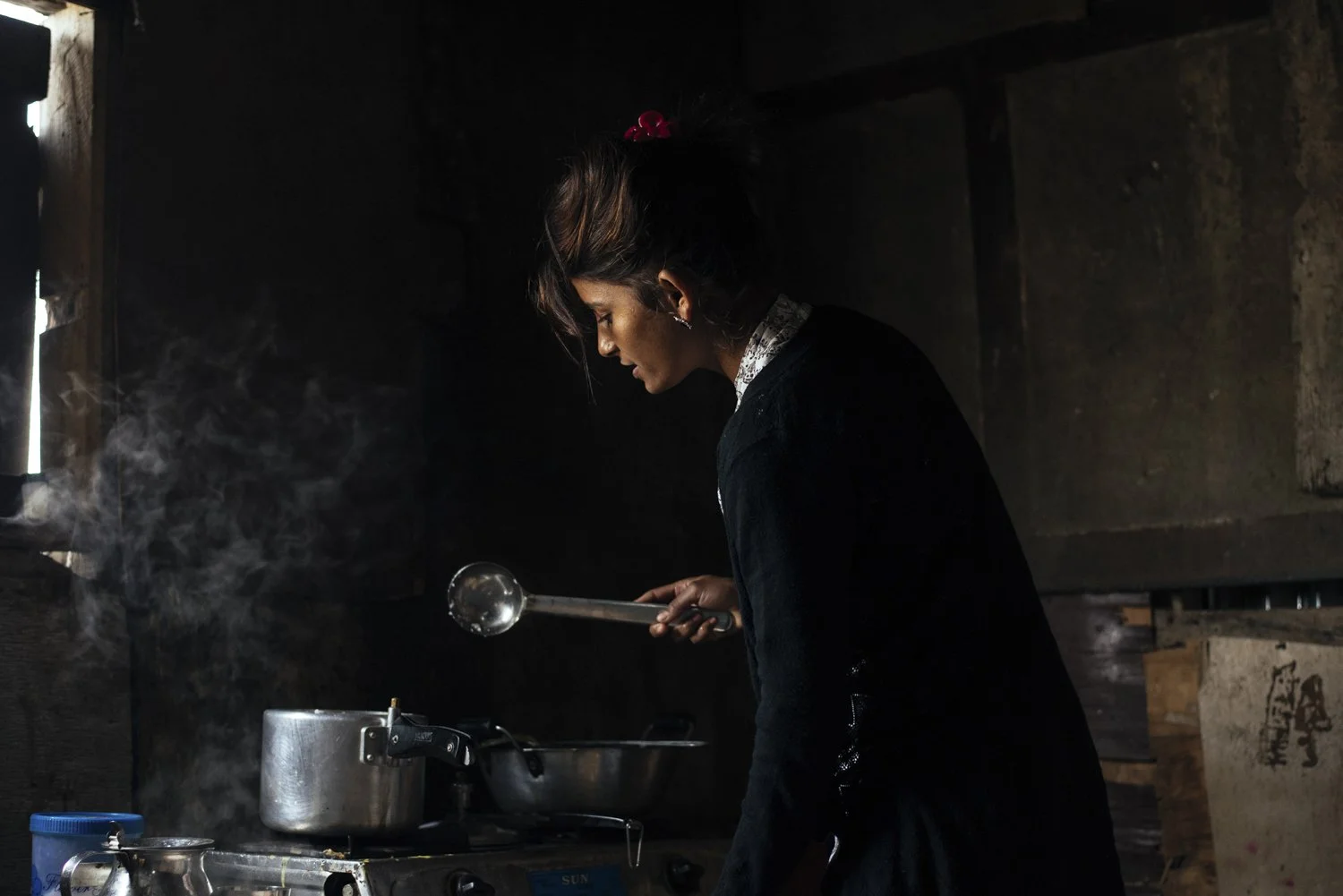
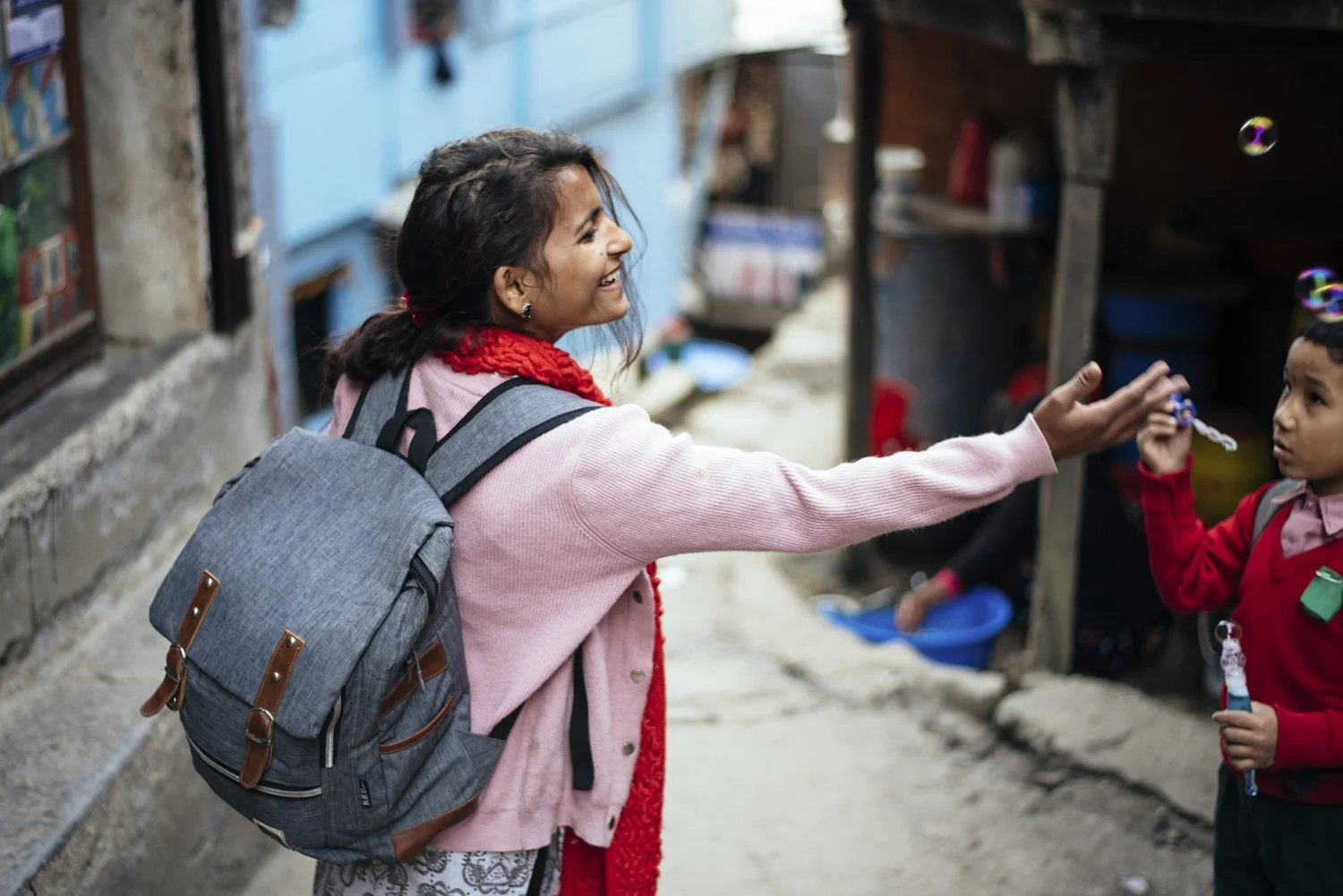
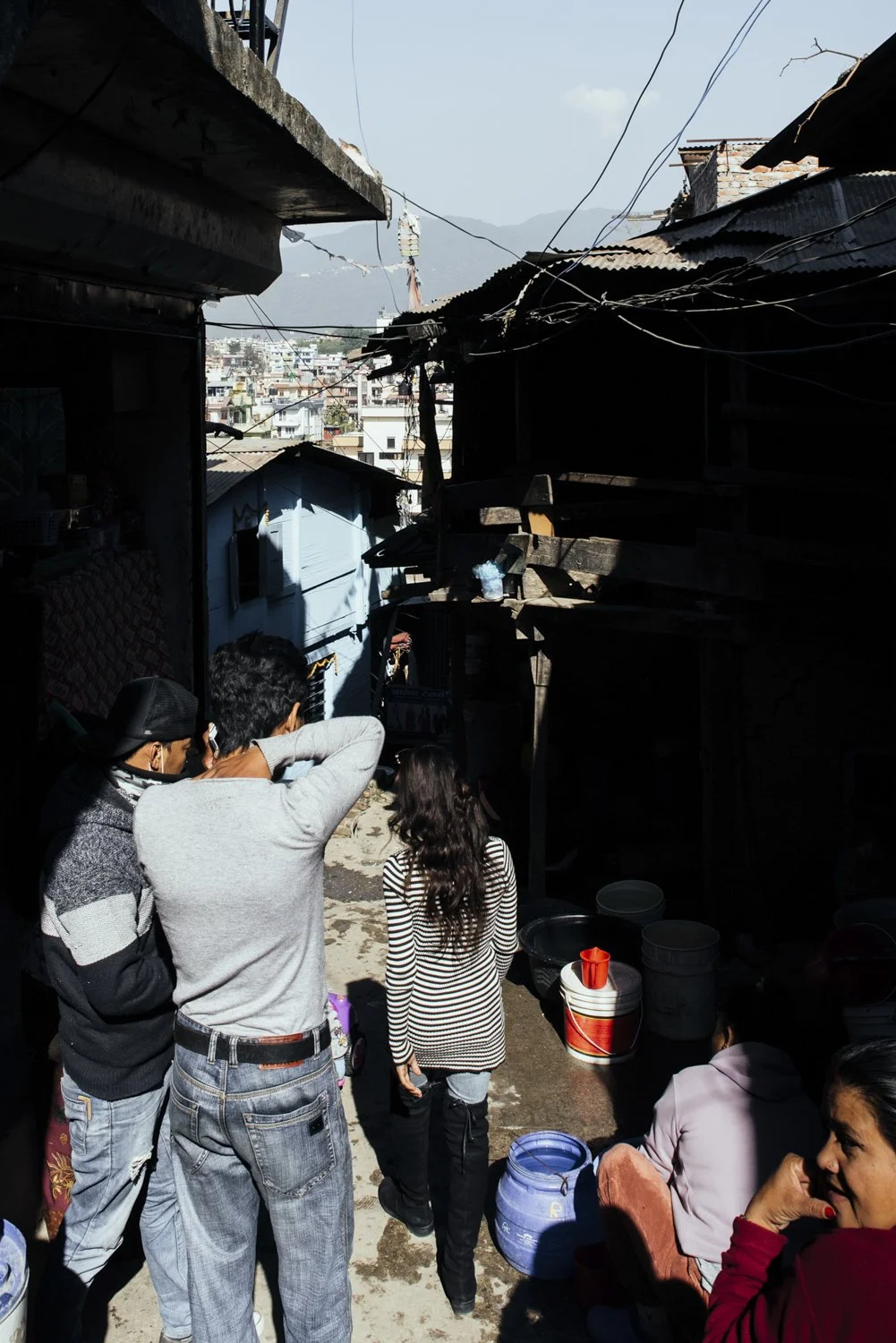
“We ended up spending nearly every moment of that week together, and I was struck by how effortlessly she moved through the city, taking ownership of each space she entered. Communicating with her came naturally. We rarely needed plans, just a sense of curiosity and trust in wherever the road would lead us next.”
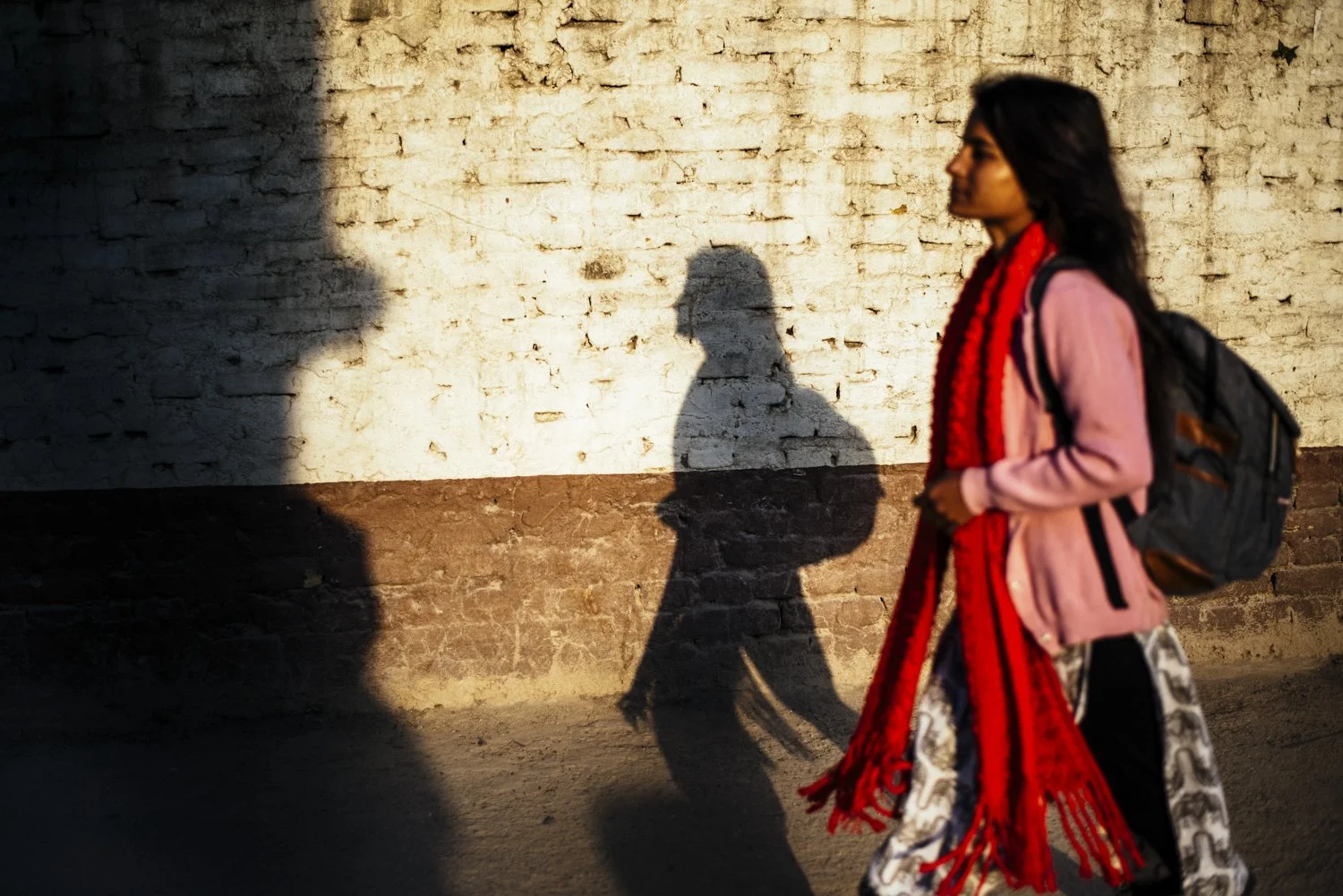
“She began taking me to her favourite spots, and during those walks, we bonded over her candid reflections and musings. As I started living with her for that week, our connection deepened, and the project took on a life of its own.”
© Aakriti Chandervanshi
© Aakriti Chandervanshi
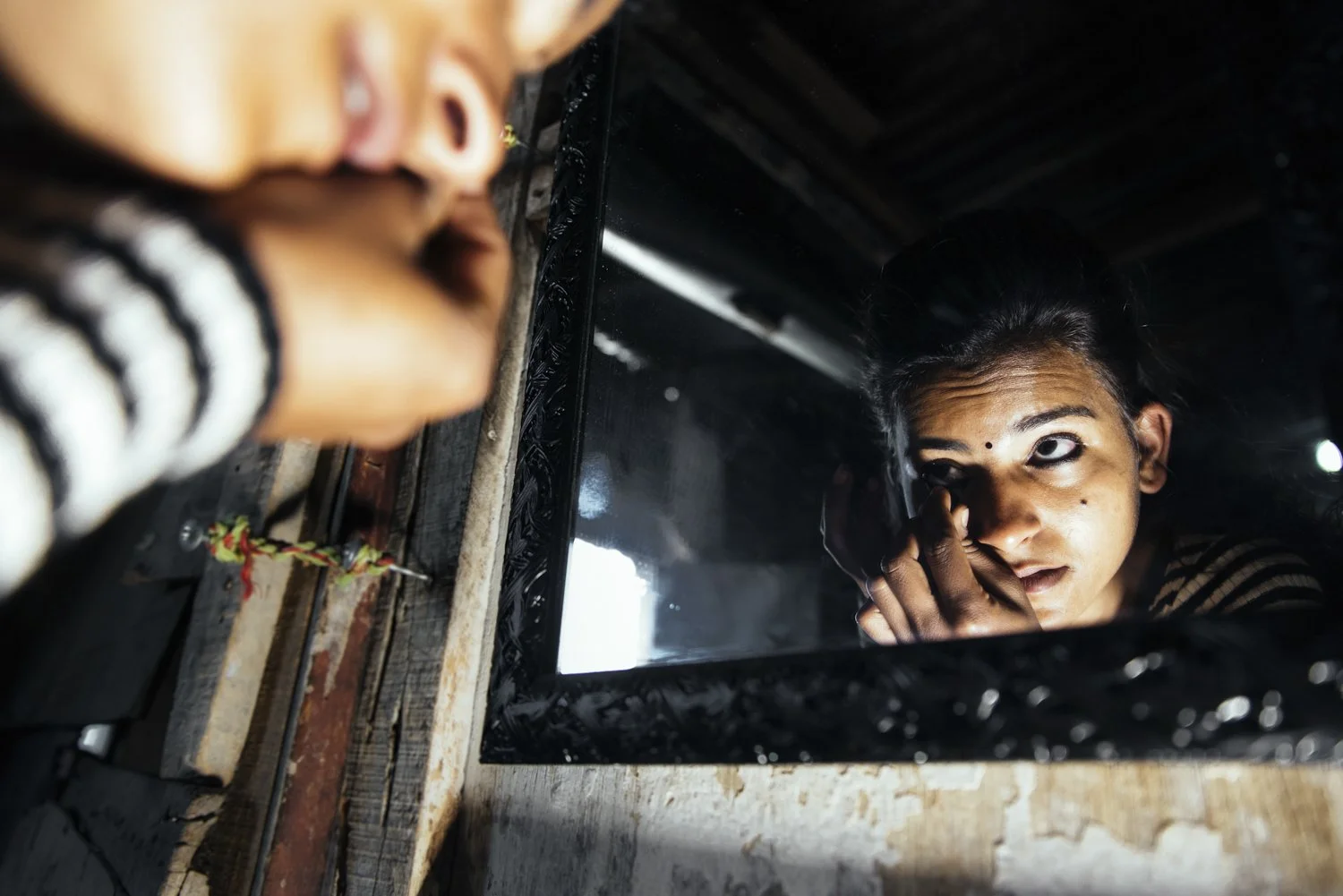
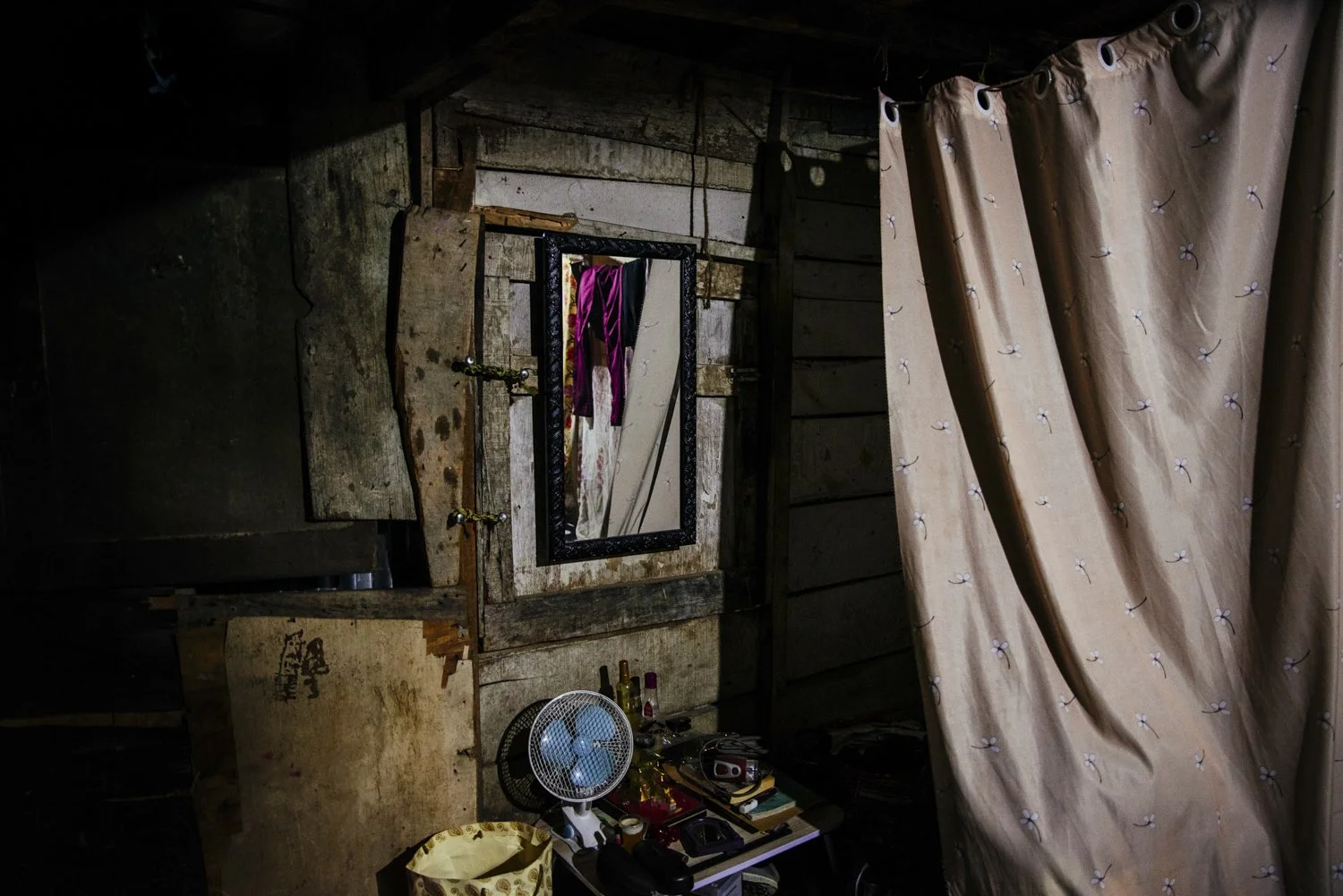
“One of my favourite moments was the first time we visited Shruti’s home. She was so eager to show me around the small yet cozy room she had carefully created for herself. As she led me through her space, she eventually landed on her collection of earrings - delicate pieces that held stories of friendships, fleeting connections, and a few that had been passed down by her mother. She spoke about each pair with such warmth and pride, her voice cheerful even as she choked back tears. ”
© Aakriti Chandervanshi
© Aakriti Chandervanshi
“Beneath her smile, there was a quiet ache—one that made me tear up, too. It was clear these objects were more than just adornments; they were memories of a life left behind. And though she spoke lovingly of her past, it was also evident she wasn’t planning to return to it. That mix of joy and grief made the moment deeply moving and unforgettable.”
© Aakriti Chandervanshi
“I had moved to Kathmandu for a brief six-month period to attend a photography course. It was my first time living alone in a foreign country, and outside of the course curriculum, I only managed to visit a handful of the typical tourist spots. That changed when I began travelling with Shruti to places that held personal meaning for her—from temples she had always wanted to visit to the quiet treks she took to soak in the landscapes around the city.”
“There was a quiet determination in the way she moved through these spaces, as if she was trying to claim a sense of belonging, to make Kathmandu hers. Experiencing the city through her gaze completely transformed my own relationship with it. She helped me see it with new eyes, and much of what features in this work is a reflection of that shared journey—of discovering a city through someone else’s longing to call it home.”
© Aakriti Chandervanshi
About the artist
Aakriti Chandervanshi is a visual artist whose work spans unique geographies and is embedded in the contexts of her everyday in the landscapes of South Asia. As an architectural graduate, the roots of her practice emerge from her keen interest in the historicities of the built environment and relevant debates around the discourse on their conservation. She is devoted to her work and pets, perhaps not as equally as she would like.
Follow Aakriti's work @agirlcalledyellow